SOA category OS4
Electromechanical conveyor systems
OS4 covers electromechanical conveyor systems: lifts, escalators and moving walkways, goods lifts and lifting platforms. It includes supply, installation, maintenance and renovation, including complementary or ancillary masonry works. It is the category of vertical mobility in residential buildings, hospitals, stations and industrial plants.
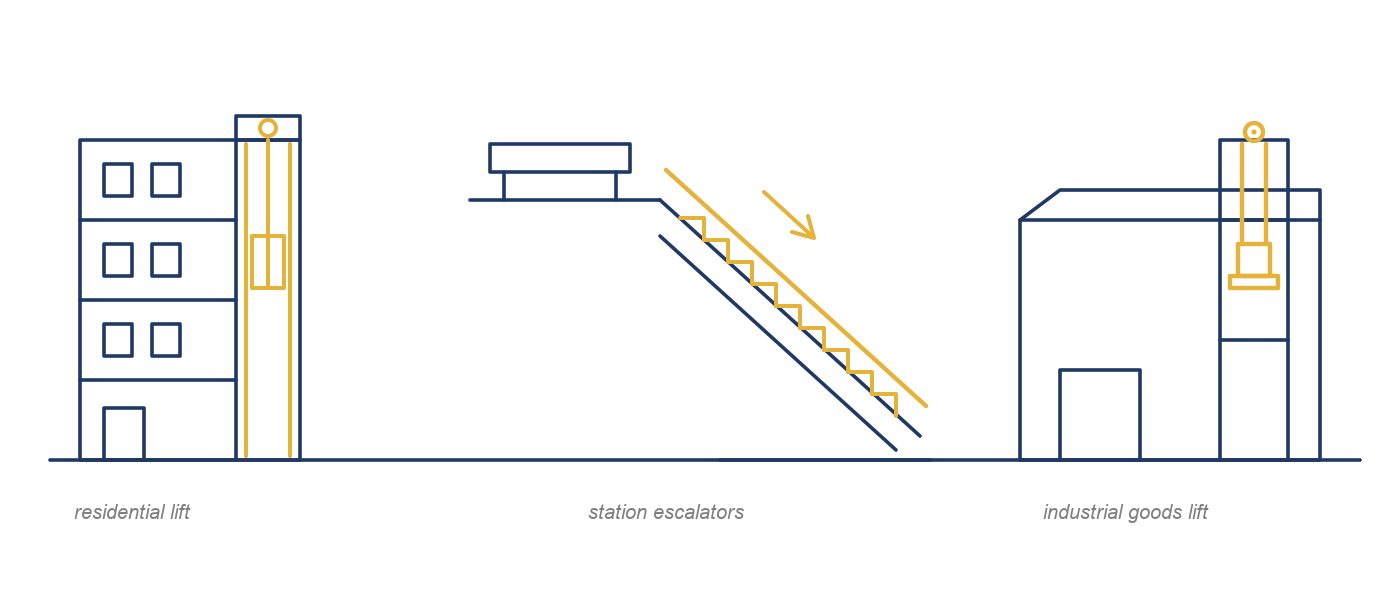
SOA certification OS4: areas of application
OS4 covers systems that allow people and goods to overcome a difference in level. The main areas of application:
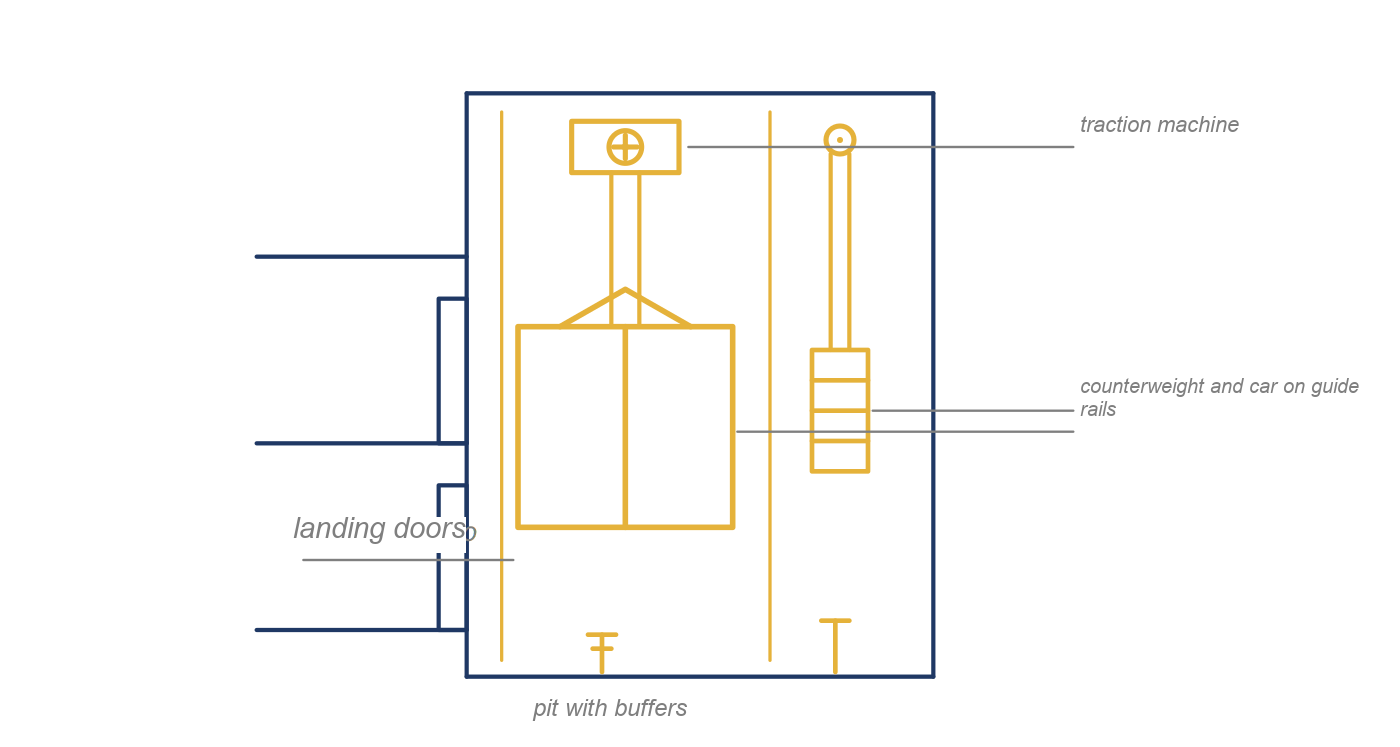
- Residential and commercial lifts: Electric traction lifts, including machine-room-less (MRL), and hydraulic lifts, in masonry shafts, steel structures or external towers. For new installations.
- High-use public buildings: Lifts and bed lifts for hospitals, schools, universities, museums and public offices, with accessibility requirements and, where required, vandal resistance.
- Escalators and moving walkways: Supply and installation for stations, airports, shopping centres and exhibition centres, with drive and energy-consumption control systems.
- Goods lifts and industrial platforms: Systems for goods, logistics and vertical warehouses, car lifts and lifting systems integrated into buildings.
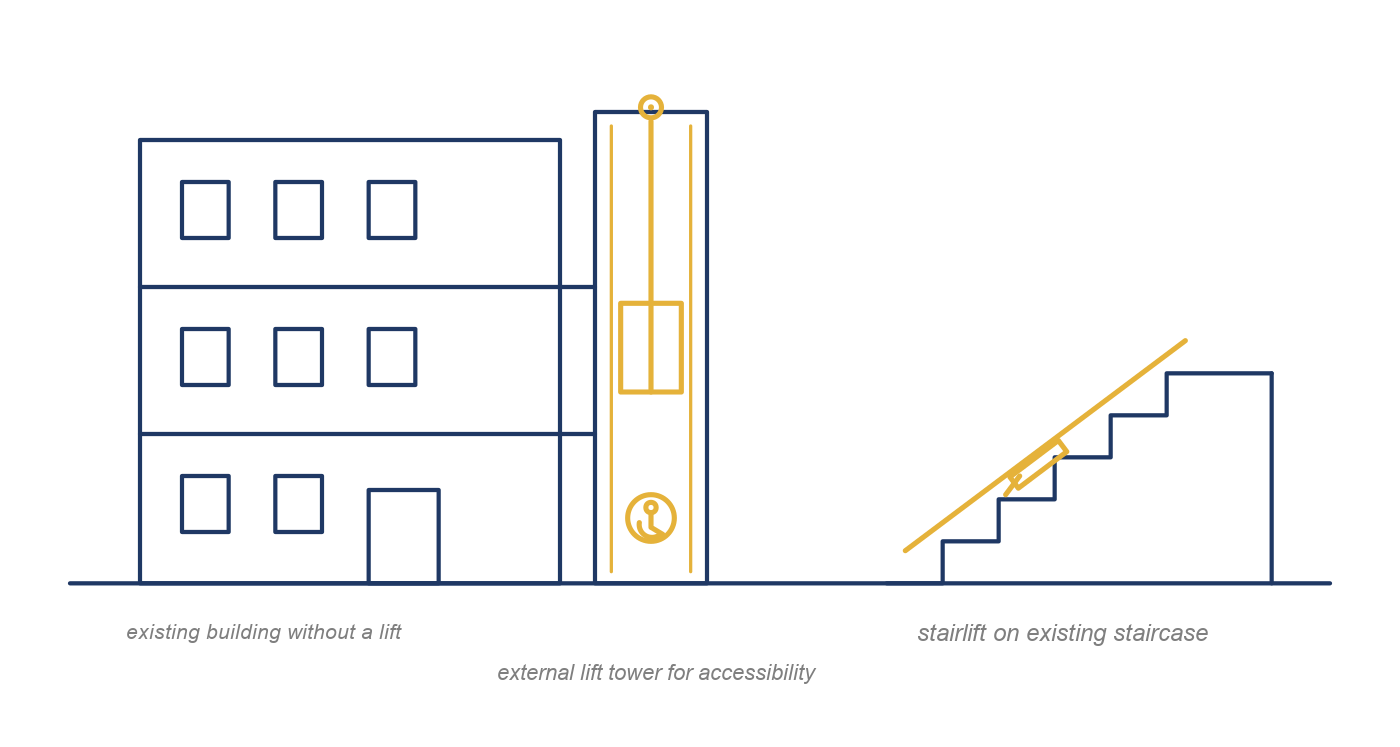
- Removal of architectural barriers: Lifting platforms, stairlifts, stair climbers and lifts installed in existing buildings, with solutions suited to the space available.
- Modernisation of systems: Replacement of machine, control panel, car and doors; two-way alarms and protection against unintended car movement.
- Special systems for infrastructure: Inclined and panoramic lifts, high-capacity systems for stadiums and large hubs, internal electromechanical transport systems.
- Maintenance and inspections: Work on systems, assistance with periodic inspections, telemetry and remote monitoring. For SOA purposes, works must be distinguished from routine maintenance services.
OS4 makes buildings and infrastructure safe and accessible: from new installations to the modernisation of existing ones, through to the removal of architectural barriers.
SOA categories related to OS4
It is often the prevailing category in new construction and renovation projects where lifts are a specialised OS4 work.
Works alongside OS4 in installing lifts in historic buildings, museums and theatres, with solutions compatible with the protection of the building.
In works for stations and transport infrastructure, OS4 covers escalators, moving walkways and lifts providing access to platforms.
Covers the general systems of complex buildings. Lifts remain separate and require the specific OS4 qualification.
Provides lines, switchboards and emergency power supplies serving lift systems, in coordination with OS4 works.
Works alongside OS4 in the ventilation and air-conditioning of machine rooms and in the systems of large commercial buildings.
Includes systems such as hospital pneumatic tube systems. Pneumatic transport remains separate from OS4 electromechanical lifting.
Why it pays to qualify in OS4
Demand for OS4 systems is driven by modernisation, accessibility and infrastructure. Existing lifts need upgrading; hospitals, schools and public offices must guarantee accessible routes; stations and airports use lifts and escalators to manage the flow of people.
Want to qualify your company in OS4? CQOP helps you document the works carried out, technical staff and equipment, identifying the classification best suited to your business.
SOA category OS4: frequently asked questions
What is the official description of category OS4?
What is the difference between a lift and a lifting platform?
Which works count as CEL for OS4?
Does lift maintenance require SOA certification?
Why is lift modernisation a significant market?
Your next move?
Demonstrate your requirements and turn this knowledge into action: make sure you have the right SOA qualification and don’t hesitate to invest in training and innovation.