SOA category OS32
Timber structures
OS32 covers timber structures: factory production and on-site assembly of load-bearing timber structures, from traditional frames to CLT houses, from large glulam arches to seismic-resistant vertical extensions. Like the other “workshop” categories, it is reserved for those who produce the components in their own factory. It is growing fast thanks to the decarbonisation of construction and the seismic bonus.
SOA certification OS32: areas of application
OS32 covers all modern timber construction. The main sectors:
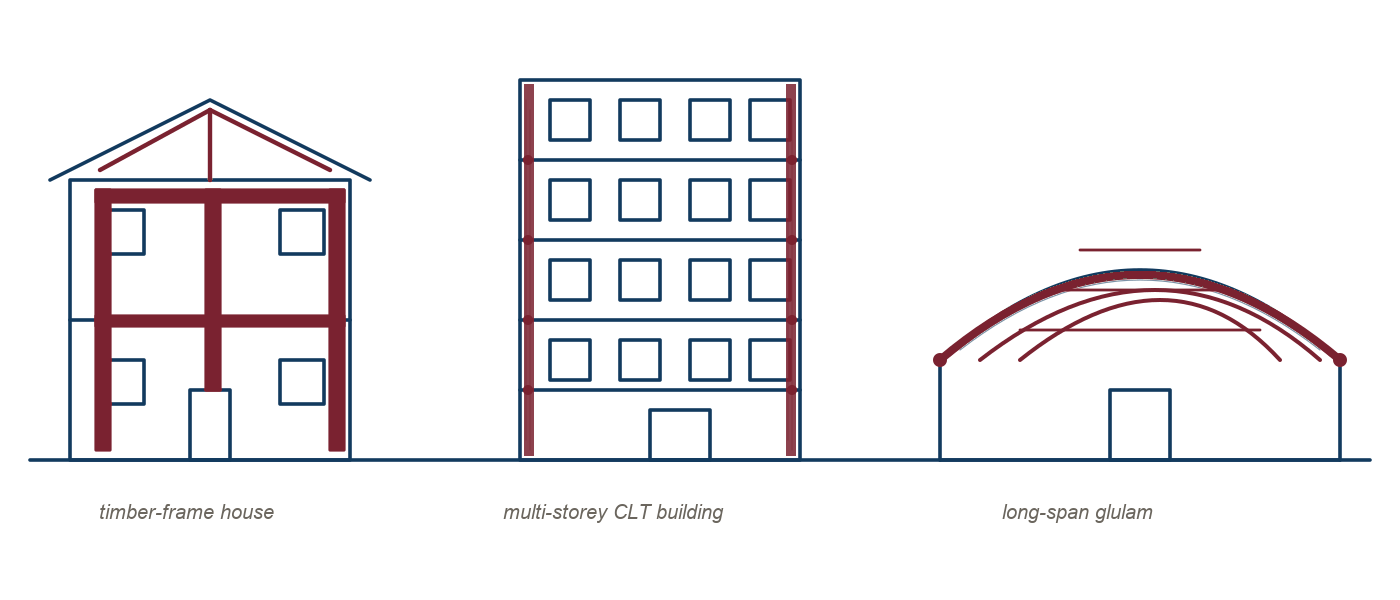
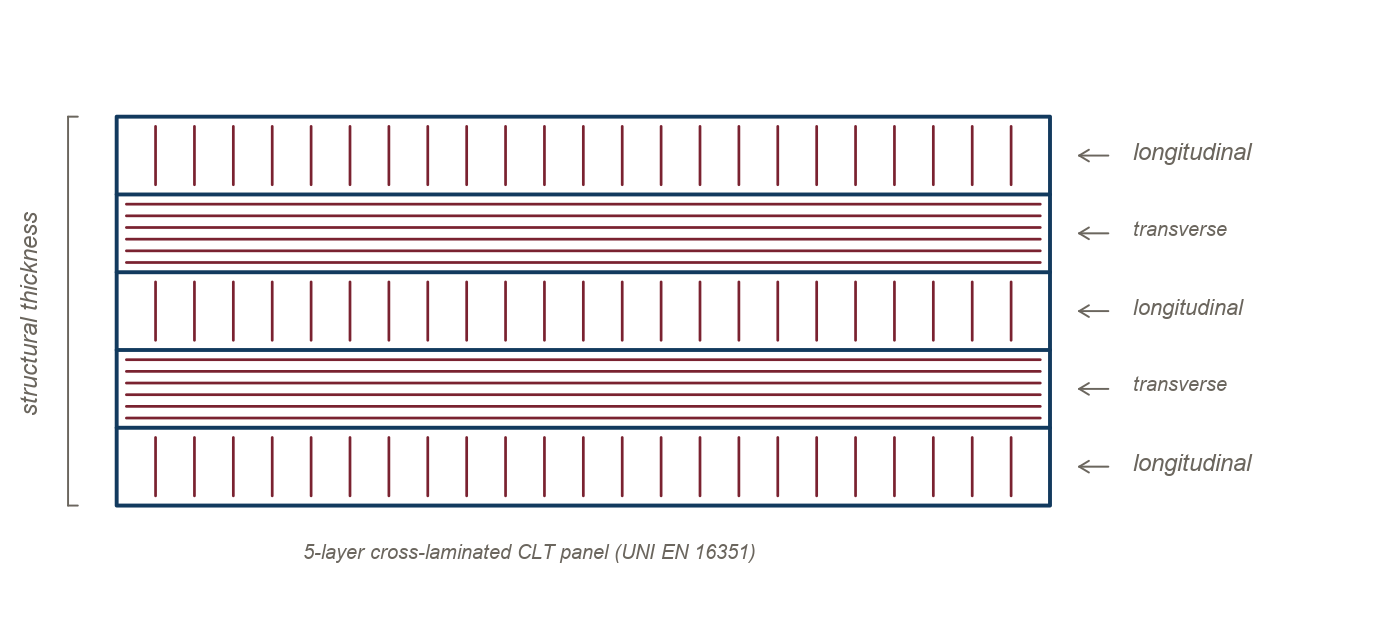
- CLT buildings: cross-laminated load-bearing panels for multi-storey buildings, built up to 40% faster.
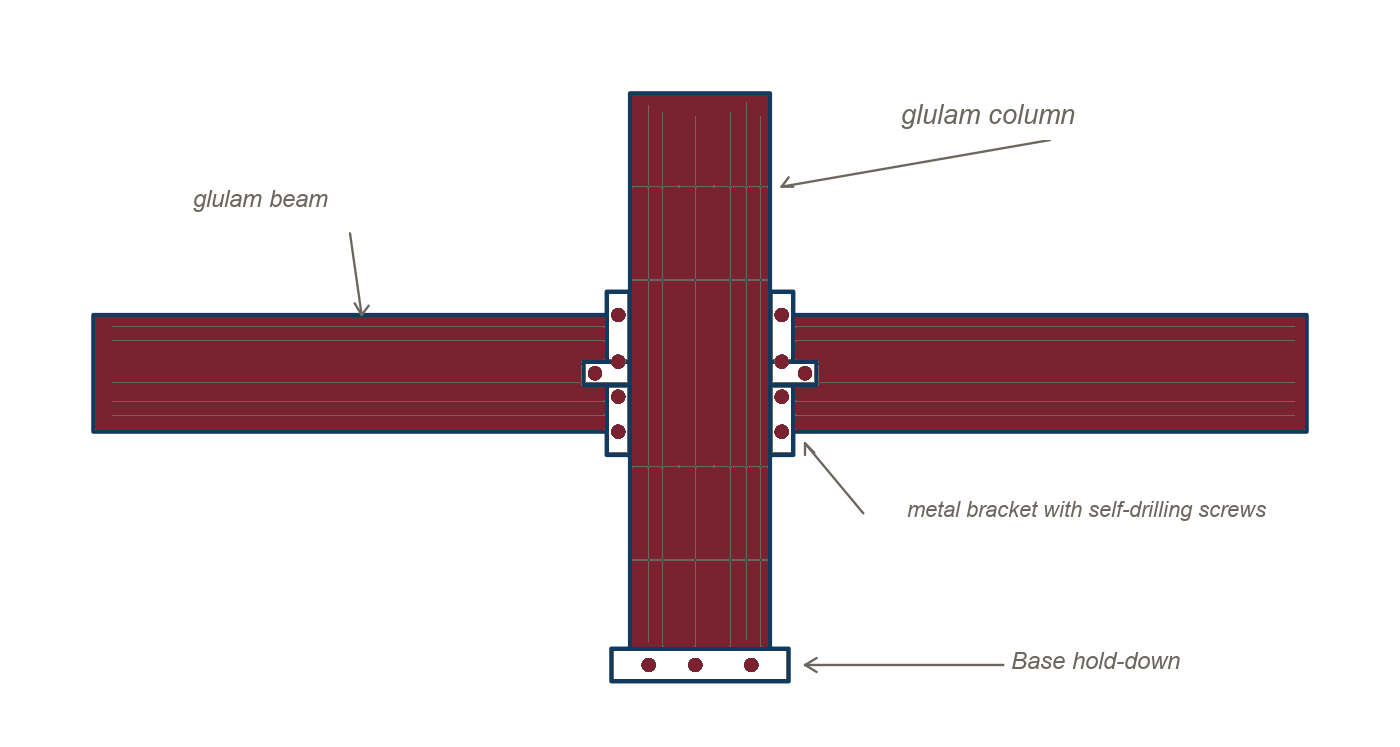
- Glulam: beams and columns with spans of even over 30 metres for gyms, sports halls and nursery schools.
- Large roofs: school gyms, sports halls, churches, auditoriums and exhibition pavilions.
- Timber-frame and log houses: single-family timber houses, very common in mountain and tourist areas.
- Vertical extensions: one or two timber storeys on existing buildings, lightweight and earthquake-resistant.
- Sustainable public buildings: timber schools, nursery schools and care homes, rewarded by the Minimum Environmental Criteria.
- Footbridges and pedestrian bridges: glulam structures for parks and watercourses.
- Metal connections: steel brackets, screws and plates joining the timber elements.
In short: OS32 is the category of carbon-storing construction, one of the fastest-growing markets.
SOA categories related to OS32
is the steel cousin: the two are often combined in hybrid timber-steel construction.
is the concrete cousin: often OS13 for foundations and core, OS32 for the upper floors.
builds the glazed façade; OS32 the timber skeleton.
is usually the prevailing category; in all-timber buildings, however, OS32 can become the prevailing one.
comes into play in the restoration of historic timber structures, such as roof trusses and coffered ceilings.
builds the foundations of tall timber buildings and vertical extensions.
covers non-structural timber finishes (floors, stairs, windows and doors): OS32 only covers the load-bearing skeleton.
Why it pays to qualify in OS32
OS32 is at the centre of three major trends:
· decarbonisation: timber has a much lower carbon footprint than concrete and stores CO₂;
· seismic safety: timber is light and elastic, ideal for vertical extensions and upgrades;
· speed of construction, thanks to prefabrication.
If you produce and assemble glulam, CLT or timber-frame structures, OS32 opens up contracts for schools, gyms and care homes and the vertical extension market.
SOA category OS32: frequently asked questions
Is a production factory required?
Which works count as CEL for OS32?
Why is timber earthquake-resistant?
Your next move?
Demonstrate your requirements and turn this knowledge into action: make sure you have the right SOA qualification and don’t hesitate to invest in training and innovation.